


Whoa! This whole wallet thing can feel like the Wild West.
Okay, so check this out—my first brush with Solana wallets was chaotic, in a funny way. Initially I thought any extension would do, but then something felt off about the UX and gas fees (yeah, fees—even on Solana, sigh). My instinct said to slow down. Seriously? You bet. I installed a few wallets, tried them in Chrome and Brave, and tested small transfers just to see what broke. On one hand the speed was impressive; on the other hand some interfaces were needlessly confusing, with tiny toggles and non-intuitive confirmations that made me pause. Actually, wait—let me rephrase that: some confirmations looked like fine print, and I almost clicked away without reading.
Here’s the thing. The best browser extension wallets for Solana balance simplicity with control. They let you sign transactions fast, show you token balances clearly, and they don’t nag you with excess permissions. My gut reaction to a good wallet is immediate trust. Hmm… it shows clear addresses, sensible warnings, and the restore process is straightforward. And yeah, I test recovery phrases like a paranoid friend who lost a smartphone once—so I push the backup steps hard, because if you skip them you’re toast.
Installing and Using a Solana Extension Safely
I’ll be honest: installing a wallet extension is part tech task, part ritual. First, always verify the source. Folks, that means only one place for one click—no shady downloads. If you’re ready to try a mainstream option, you can get started with a trusted installer like the phantom wallet download extension and follow on-screen prompts slowly. My advice: pause at each permission screen. Read it. Take a sip of coffee (or tea—I’m biased toward coffee), and then continue.
Something else: set a password and encrypt the extension locally if that option exists. Keep the seed phrase offline. Do not screenshot it. I’m not shouting, but very very important. Also, consider a hardware wallet later; bridging with extensions is common, though the setup feels advanced at first. On the flip side, using only extensions is convenient for everyday DeFi interactions and NFT browsing. It’s like having quick access to your pockets, though actually more like a locked pocket with a visible zipper—convenient but still needing care.
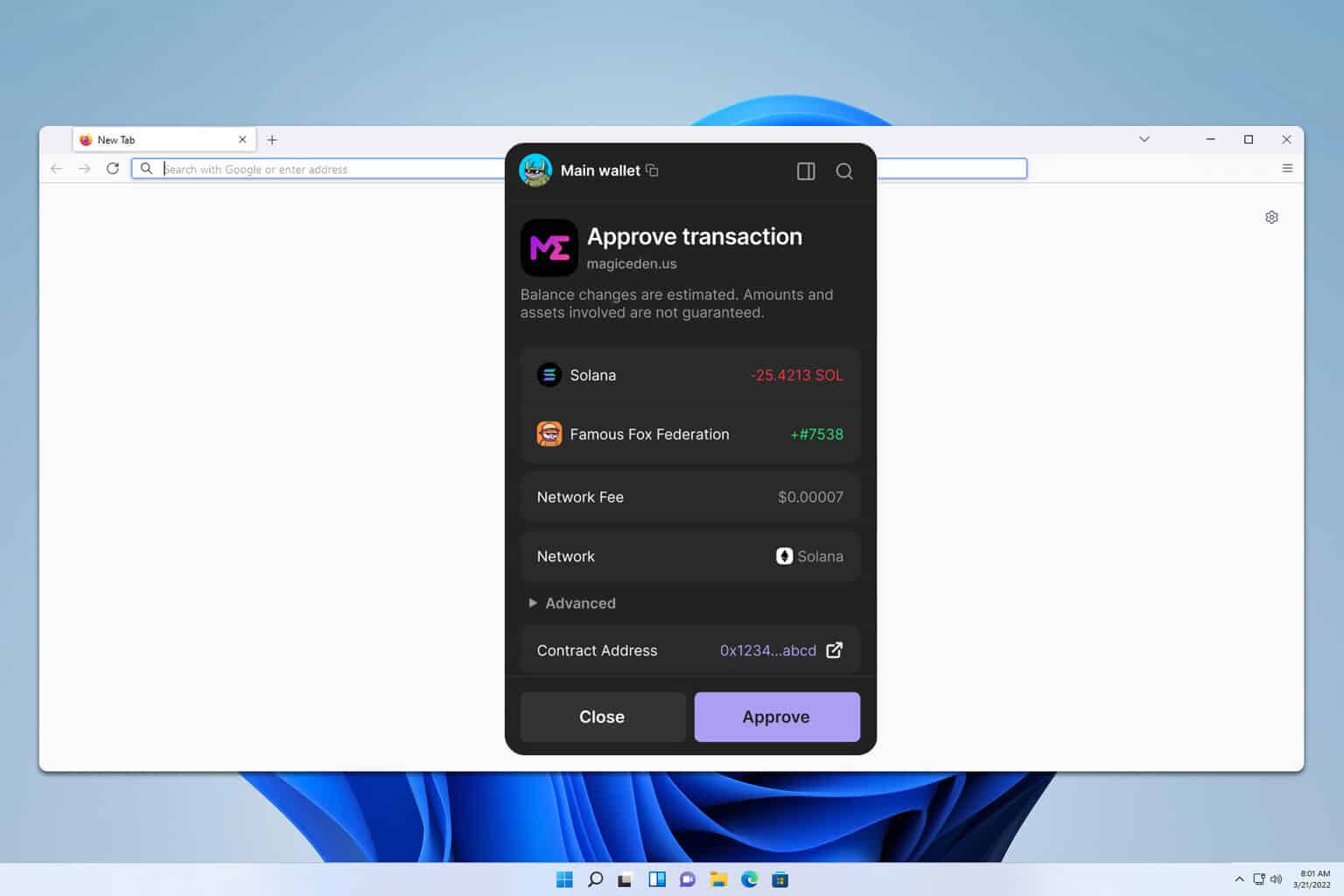
At first I worried about phishing. Then I realized most attacks exploit impatience more than technical savvy. So I built a small checklist for myself: confirm site domain, verify the transaction amount twice, check the contract address on explorers, and never approve arbitrary contract calls unless you know the code or it’s a reputable dApp. Oddly, that routine calms me down. My brain, which usually jumps to action, now takes a beat to check things—slow thinking pays off.
On performance: Solana’s speed is real, and that reflects in the extension experience. Transactions post fast. Tokens appear quickly. But sometimes the network gets a little noisy, and confirmations lag, which is when panic sets in for new users. Breathe. If a tx stalls, check the explorer and the extension’s pending queue before canceling anything. (Oh, and by the way… sometimes the extension UI hides pending items in odd places; it bugs me.)
Security features vary. Some extensions offer password-protected session locking, others support hardware wallet integration, and a few provide per-site approval history. Use them. Seriously. And if an extension asks for wallet seed or private keys in a web popup—close the tab. My instinct said ‘phish’ the first time I saw such a prompt years ago, and that saved me from a near-miss.
Community matters too. I follow Solana dev channels and local meetups (Bay Area hack nights, NYC coffee meetups, you name it), because real users surface subtle problems fast. One time a small UI bug caused duplicate transaction prompts; the devs fixed it in less than a day after community reports. That responsiveness is comforting, and it shows how an ecosystem can self-correct.
Now, pros and cons—quick bullets because my brain likes lists:
Pros: fast transactions, clear token displays, easy DeFi integration, hardware wallet paths, lots of developer attention.
Cons: phishing risk, occasional UI quirks, and inconsistent onboarding quality across wallets. Also, some extensions request broad permissions that you might not need—watch for that.
FAQ
How do I choose the right Solana wallet extension?
Pick one with a clean UI, active development, and clear security practices. Look for features you need—hardware support, token swap, NFT viewing—and test with small amounts first. My rule: use community feedback and check recent updates to ensure the project is alive and responsive.
Is it safe to keep funds in a browser extension?
Short answer: yes, with precautions. Use strong local passwords, back up your seed offline, consider a hardware wallet for large holdings, and avoid approving unknown contracts. If you want top-tier safety, move large balances to cold storage.
What if I lose my seed phrase?
Then recovery is hard or impossible. That’s not drama—it’s reality. Back it up in multiple physical locations and treat it like a physical key to a safe deposit box. And no, cloud notes are not a great idea—trust me, somethin’ like that keeps me up sometimes.
